Cat trees and towers give indoor cats dedicated spaces to climb, scratch, rest, and observe their surroundings from above. For many cats, height is a natural part of how they interact with their environment. Whether your cat enjoys stretching out on elevated platforms, watching the room from a quiet corner, or climbing between levels throughout the day, the right cat tree can become one of the most used pieces of furniture in your home.
Choosing the right cat tree depends on your cat's size, activity level, confidence, and preferred sleeping habits. Some cats prefer enclosed hideaways and comfortable beds, while others spend most of their time climbing, scratching, and exploring. The best cat tree is the one that supports how your cat naturally behaves while fitting comfortably within your home.
Our collection includes cat trees and towers for a wide range of homes and lifestyles, from compact designs suited to smaller spaces through to large multi-level structures designed for active cats, larger breeds, and multi-cat households. You'll also find natural wood cat trees, luxury cat furniture, modern furniture-style designs, and floor-to-ceiling climbing centres that combine practicality with attractive styling.
If you're comparing different cat-tree styles, our guides Best Cat Trees UK: How To Choose The Right One and Best Cat Trees For Large Cats explain what to consider when comparing height, layout, stability and usable resting space. The sections below look more closely at how your cat's size, behaviour and the space available in your home should guide your decision.
Why Indoor Cats Benefit From Cat Trees
Cat trees provide more than an elevated place to sleep. For indoor cats, they create opportunities to climb, stretch, scratch, observe, and rest within a safe and familiar environment. Many of the behaviours cats display outdoors naturally translate to vertical spaces indoors, making cat trees an important source of both physical activity and everyday enrichment.
Height allows cats to monitor activity around the home while maintaining a sense of security. Raised platforms can help nervous cats feel more confident, while active cats often use different levels as part of their daily routine. In homes with more than one cat, elevated resting spaces can also help reduce competition for floor-level territory by providing additional places to relax when needed.
Many cat trees also include integrated scratching posts that encourage healthy claw maintenance while helping redirect scratching away from carpets, sofas, and other household furniture.
Alongside climbing and scratching, cat trees provide predictable resting areas that become part of your cat's routine. Many cats naturally move between sleeping, observing, grooming, and playing throughout the day. A well-chosen cat tree supports these behaviours while giving your cat a dedicated space they can consistently return to.
Choosing The Right Cat Tree For Your Cat
The best cat tree is not always the tallest or most expensive option. Choosing the right model starts with understanding how your cat spends their time. Some cats are active climbers that move constantly between levels, while others prefer comfortable resting spots where they can sleep, observe, and relax throughout the day. Matching the structure to your cat's natural behaviour often leads to better long-term use.
For kittens and younger cats, climbing opportunities are often a priority. Multiple platforms, varied heights, and clear routes between levels encourage movement and help build confidence as they explore their environment. Adult cats often benefit from a balance of climbing space, scratching surfaces, and comfortable sleeping areas that support their daily routine.
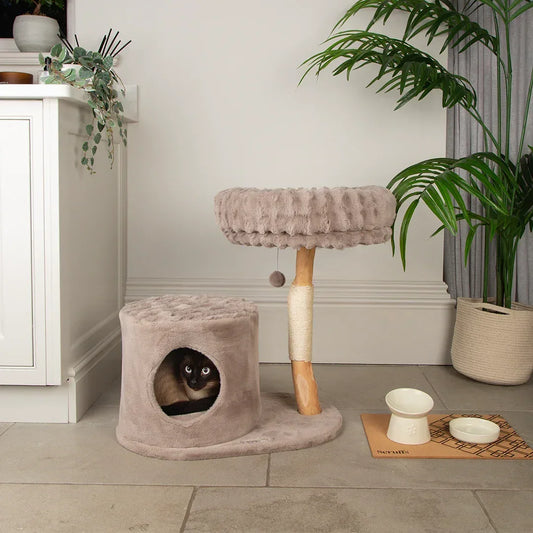
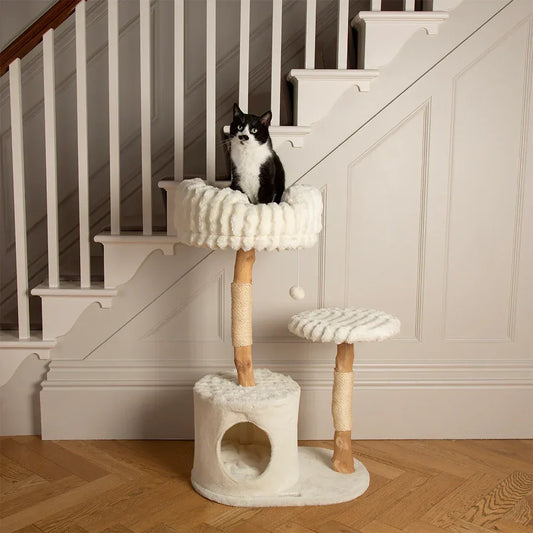
If you live in a flat or have limited floor space, a compact design can still provide valuable enrichment without dominating the room. Models such as the Scruffs Alpine Atlas Cat Tree offer climbing, scratching, and resting areas within a smaller footprint, making them well suited to apartments and smaller homes.
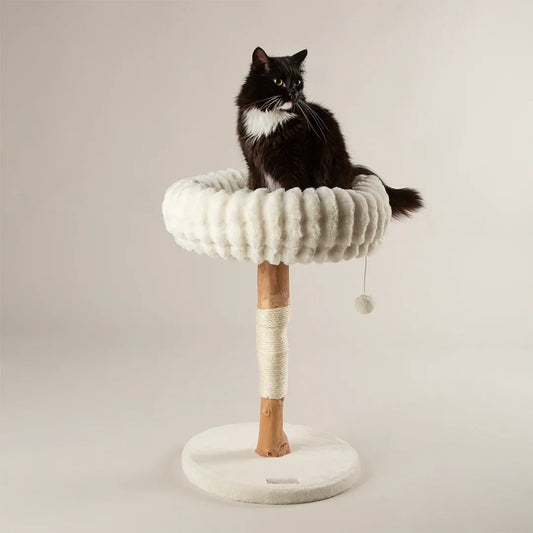
Cats that prefer quiet observation often benefit from designs that include elevated beds, enclosed hideaways, or multiple resting platforms. If your cat regularly seeks out shelves, windowsills, or the backs of sofas, a cat tree with clearly defined resting zones can provide a dedicated alternative that becomes part of their daily routine.
Some cats spend most of their time climbing and exploring higher levels, while others primarily use their tree as an elevated resting place. Understanding whether your cat prioritises activity, observation, or relaxation can help narrow your options and choose a design they will use every day. Active climbers often benefit from taller structures with multiple routes between levels, while more relaxed cats may prefer comfortable beds, hideaways, and spacious observation platforms.
Size is another important consideration. Larger breeds and heavier cats require wider platforms, stronger construction, and stable climbing routes that remain comfortable as they move between levels. Wider platforms, generous sleeping areas, and stable construction can make a significant difference to comfort and confidence during everyday use.
The number of cats in your home can also influence your choice. While a single cat may be perfectly happy with a compact tower, multi-cat households often benefit from larger structures that provide multiple beds, platforms, and routes throughout the tree. This gives each cat space to climb, rest, and observe independently while still sharing the same structure.
Ultimately, the right cat tree should fit both your cat and your home. Considering your available space, your cat's size, and their preferred activities will help you choose a structure that supports climbing, scratching, resting, and everyday comfort for years to come.
Cat Trees For Large Cats
Large cats require more from a cat tree than smaller breeds. Stability, platform size, scratching surfaces, and sleeping areas all become increasingly important as your cat's size and weight increase. While height and climbing opportunities remain valuable, a cat tree should also allow your cat to climb, stretch, turn around, and rest comfortably without feeling restricted or unsupported.
Breeds such as Maine Coons, Norwegian Forest Cats, Ragdolls, and larger domestic cats often benefit from wider sleeping platforms and stronger scratching posts. Narrow platforms may be suitable for smaller cats, but larger cats typically prefer structures that provide enough room to fully stretch out while resting or observing their surroundings.
Stability is particularly important. Larger cats naturally place more force through the structure when climbing, jumping, and scratching. A well-designed cat tree should remain secure during everyday use, helping your cat move confidently between levels without hesitation. Wide bases, reinforced construction, and sensible platform layouts all contribute to a more comfortable experience.
Larger households often benefit from cat trees that provide multiple sleeping platforms and observation points, allowing each cat to establish their own space without competing for a single resting area. This can be especially valuable when you have two larger cats sharing the same environment, as additional resting zones help create more comfortable daily routines.
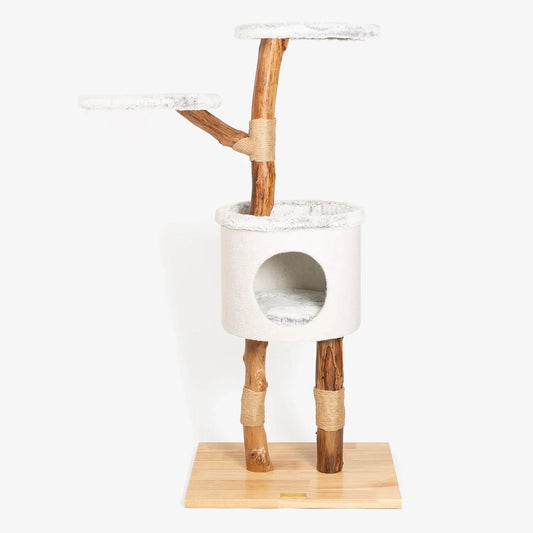
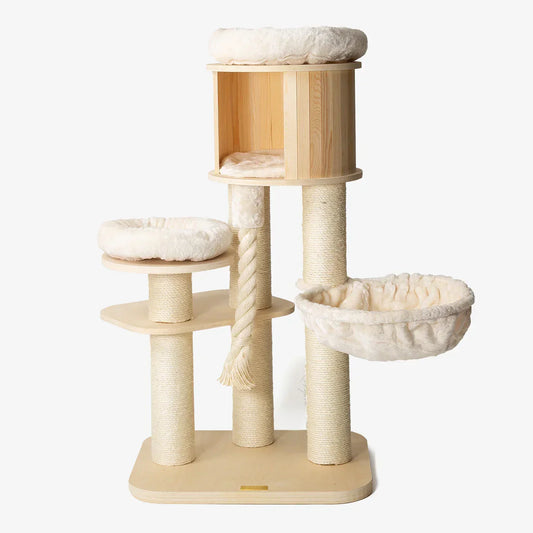
If you're looking for a cat tree designed to accommodate larger cats, the Scruffs Alpine Pyrenees Cat Tree provides generous resting areas alongside multiple climbing and observation points. For cats that enjoy both privacy and elevated resting spaces, the Helsinki Hide & Sleep Cat Tree combines enclosed sleeping areas with elevated platforms designed for everyday use.
Active larger cats often benefit from structures that encourage movement without requiring extreme jumps between levels. Well-spaced platforms create natural climbing routes that support exercise while remaining accessible and comfortable. The Back To Nature High Rise Cat Tree is a good example of a design that balances height, stability, and usable platform space for confident daily climbing.
Cat Trees For Climbing, Scratching And Rest
Cats use their cat trees in different ways. Some spend most of their time climbing and exploring, while others treat their tree primarily as a place to sleep, observe, and relax. Understanding how your cat naturally behaves can help you choose a structure that becomes part of their daily routine rather than an occasional place to sit.
If your cat is an active climber, look for cat trees with multiple levels and clear climbing routes. These designs encourage movement throughout the day and provide opportunities to jump, stretch, and explore different heights. Cats that regularly climb shelves, door frames, or furniture often benefit from structures that allow them to satisfy these instincts in a safe and dedicated space.
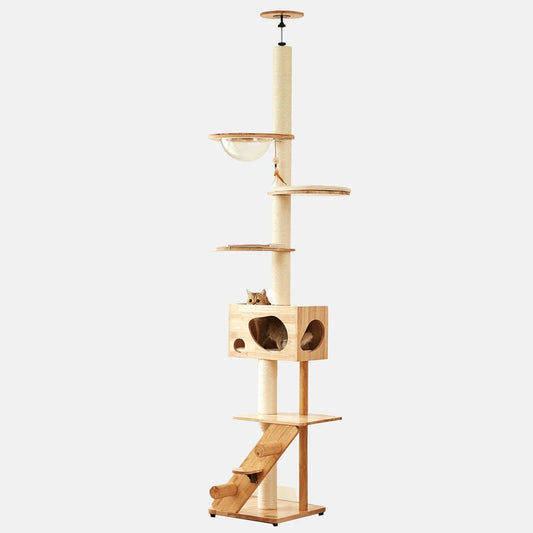
If your cat enjoys vertical exploration, the Helsinki Floor To Ceiling Play Centre provides multiple climbing opportunities across a tall, space-efficient design. Structures that offer several routes between levels can help keep confident climbers engaged while providing elevated observation points throughout the day.
If your cat frequently scratches carpets, sofas, or door frames, integrated scratching surfaces should be a priority. Cats scratch to maintain their claws, stretch their muscles, and mark territory through scent. Cat trees that position scratching areas alongside climbing routes often receive more consistent use because scratching becomes part of normal movement rather than a separate activity.
Cats that currently scratch household furniture often respond particularly well to cat trees that place scratching surfaces directly along their preferred climbing paths. If your primary goal is claw care, our Cat Scratching Posts collection provides additional options designed specifically for daily scratching behaviour.
If your cat prefers sleeping, observing, and relaxing, comfort may be more important than height alone. Elevated beds, enclosed hideaways, and spacious platforms provide secure locations where cats can rest while remaining aware of activity around them. Cats that naturally gravitate towards windowsills, quiet corners, or raised furniture often adapt particularly well to trees that prioritise comfort alongside climbing opportunities.
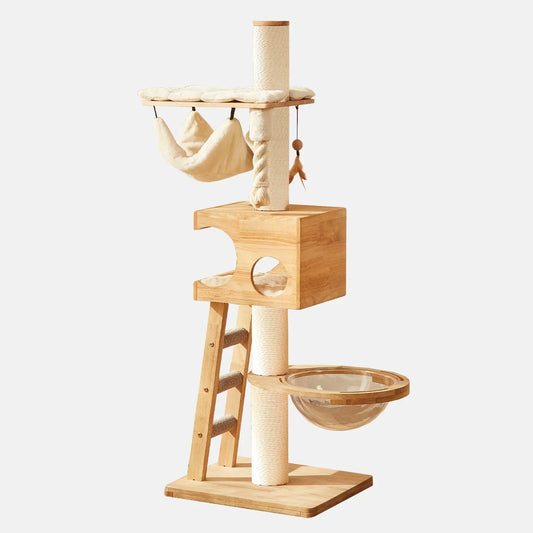
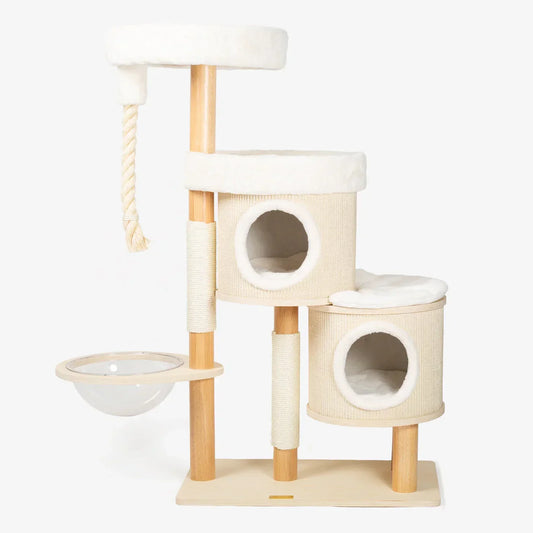
For cats that enjoy a balance of climbing, scratching, and relaxation, the Helsinki Levels Play Centre provides multiple routes between levels alongside comfortable resting areas. Cats that prefer enclosed resting spaces and elevated observation points may benefit from designs that combine privacy with climbing opportunities, helping them move naturally between activity and relaxation throughout the day.
The most effective cat trees combine climbing, scratching, resting, and observation in a single structure. Choosing a design that matches your cat's natural habits often leads to more consistent daily use, greater engagement, and better long-term value for both you and your cat.
Natural Wood, Modern And Luxury Cat Trees
For many cat owners, choosing a cat tree is about more than providing climbing and scratching opportunities. The structure will often become a permanent part of your living space, making appearance, materials, and overall design just as important as functionality. Modern cat trees are increasingly designed to complement the home while still supporting natural feline behaviour.
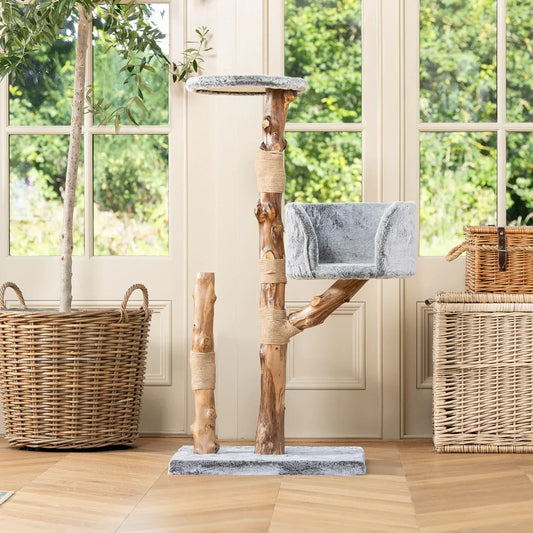
If you want a cat tree that feels more at home alongside your existing furniture, natural wood designs can be an excellent choice. Natural finishes, neutral colours, and thoughtfully designed platforms often integrate more easily into living rooms, bedrooms, and open-plan spaces than traditional carpet-covered towers. For many households, this balance between practicality and appearance is an important part of the buying decision.
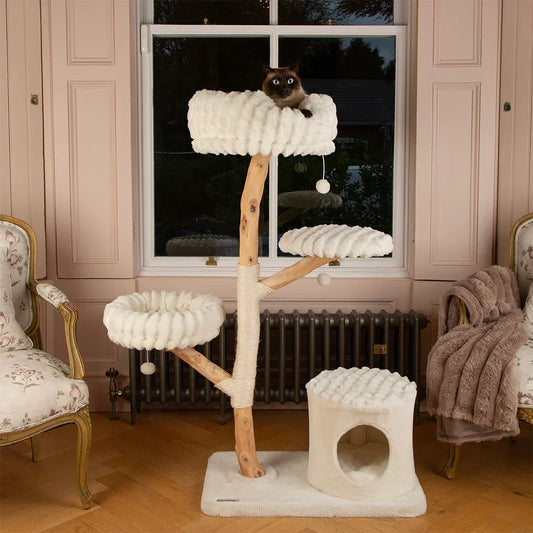
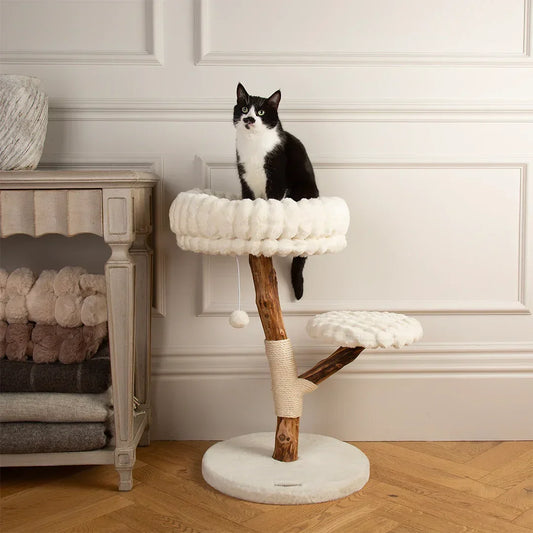
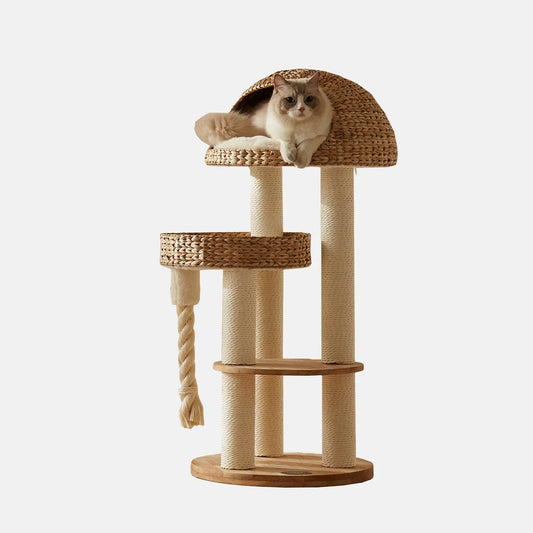
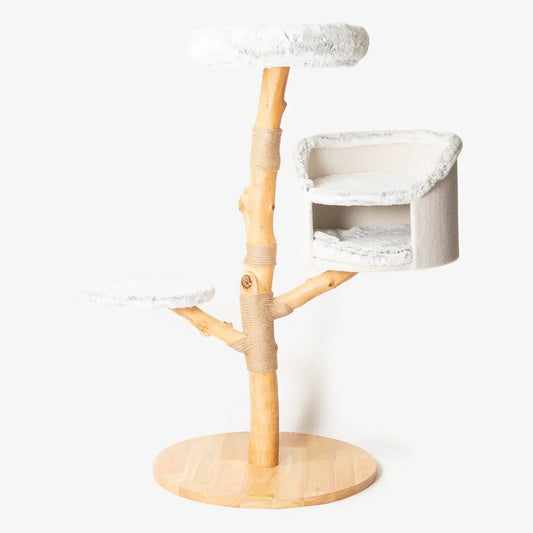
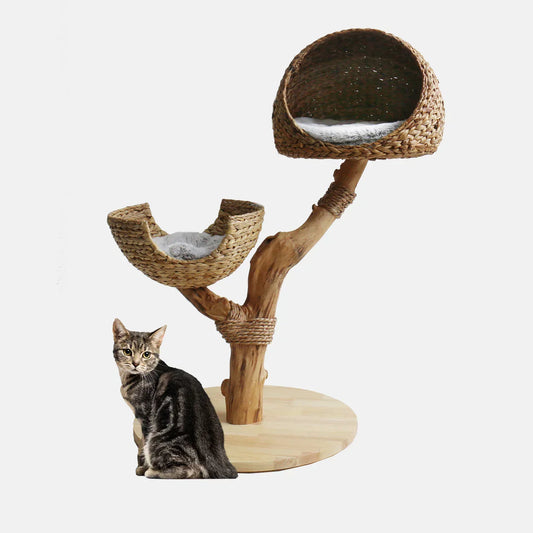
If you prefer natural materials and a more contemporary look, designs such as the Back To Nature Trio Cat Tree provide climbing, scratching, and resting opportunities while maintaining a distinctive natural aesthetic. These styles often appeal to owners looking for cat furniture that integrates more naturally into their home rather than standing apart from it.
Luxury cat trees typically place greater emphasis on comfort, materials, and overall presentation. Larger sleeping platforms, premium finishes, enclosed hideaways, and carefully considered layouts can create structures that feel as comfortable for your cat as they are attractive within your home. This can be particularly appealing in modern apartments, open-plan living spaces, and rooms where the cat tree remains visible every day.
For households looking for a statement piece, the Back To Nature Penthouse Cat Tree combines multiple levels with an eye-catching natural design. The Helsinki Loft Cat Tree offers a contemporary furniture-inspired approach while still providing the climbing and resting areas many cats enjoy.
The best modern cat trees combine attractive design with practical features, allowing your cat to climb, scratch, rest, and observe while fitting naturally into your home. When appearance and functionality work together, both you and your cat benefit from a structure that supports everyday life without compromising on style or comfort.