Which Type of Cat Litter Is Best?
There is no single type of cat litter that is best for every cat. The right choice depends on the texture your cat is comfortable using, how strongly the litter clumps, how much dust and tracking you are prepared to manage, your preferred disposal method and the type of tray you use. Clay, silica, non-clumping and natural litters all have different characteristics, while the range here focuses primarily on tofu, cassava and blended clumping formulas.
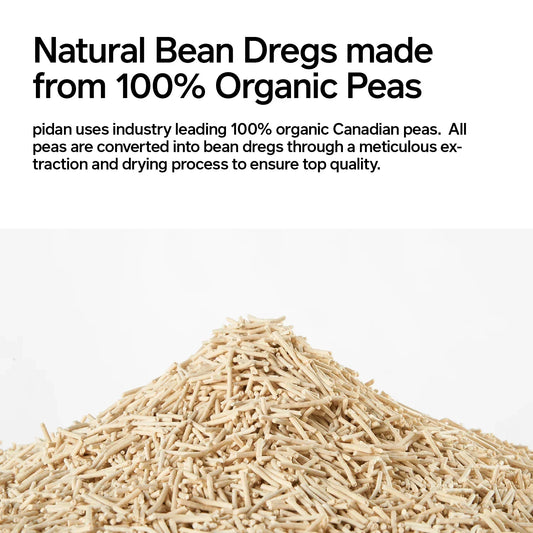
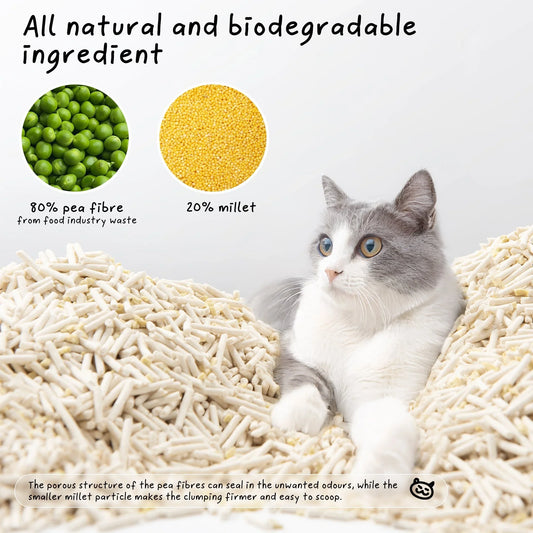
Tofu cat litter generally uses lightweight plant-based pellets. It can suit homes where reduced tracking and low dust are priorities because the particles are larger than fine granular litter. pidan Signature Organic Tofu Cat Litter combines 2 mm and 1.5 mm tofu pellets so the smaller particles fill more of the spaces between the larger ones, improving coverage while retaining the practical pellet texture.
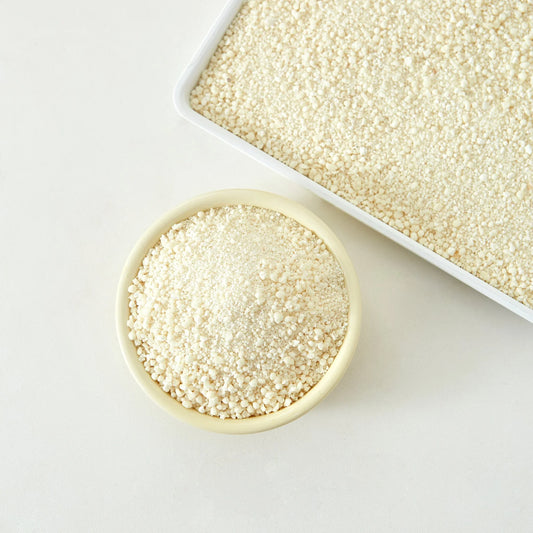
Cassava litter is finer and more sand-like. It can suit cats that prefer a softer granular surface for digging and covering. The fine particles provide close coverage and can form concentrated clumps, although some tracking can still occur with any fine litter.
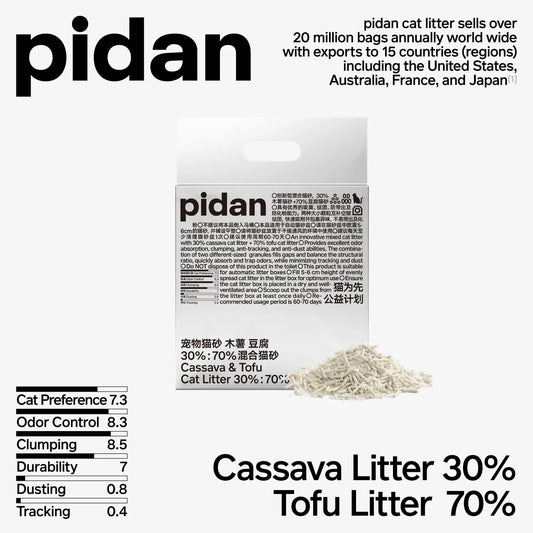
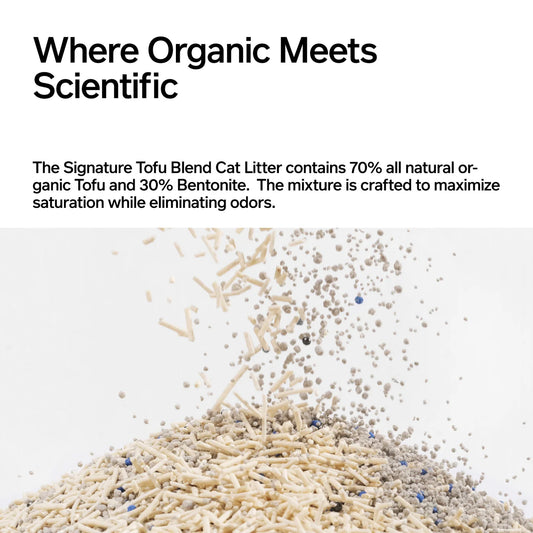
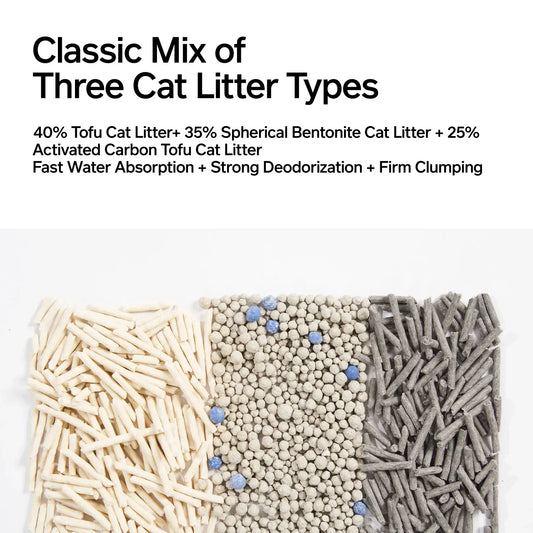
Blended cat litter combines materials to alter the balance of texture, clumping and absorption. pidan Mixed Tofu Cat Litter uses a 70% tofu mix and 30% bentonite, giving you the larger particle structure of tofu with the additional clumping characteristics of finer bentonite.
What Makes a Good Clumping Cat Litter?
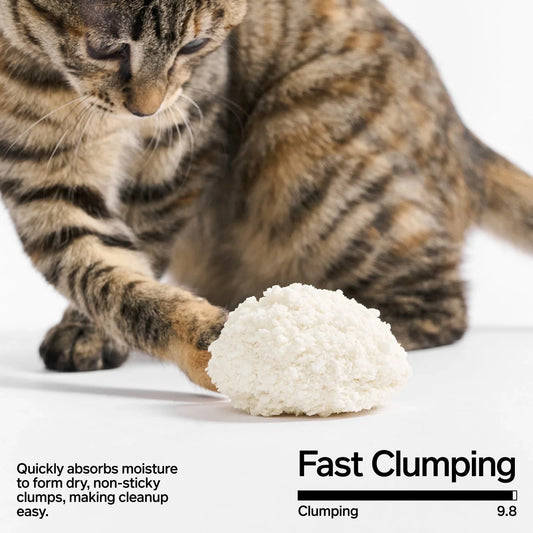
A useful clumping litter should absorb moisture quickly enough to concentrate the wet area and form a clump that remains intact when you scoop it. Strong clumping can make daily cleaning more efficient because you can remove used litter without unnecessarily discarding large amounts of clean material.
Clump strength is only part of the decision. Fine particles can provide close coverage but may be more likely to leave the tray on paws, while larger pellets can reduce tracking but create a different texture underfoot. Odour control can come from rapid moisture absorption, porous plant fibres, activated carbon or a combination of materials, depending on the formula. Low-dust performance is also worth considering, particularly if loose powder around the tray is something you want to minimise.
Which Cat Litter Works with Automatic Litter Boxes?
Automatic and self-cleaning litter boxes do not all use the same screening system, so compatibility should be checked for the individual litter and the machine rather than assumed from the word “clumping”. Particle size, clump strength and the material used inside the tray can all affect performance.
CocoCat Cassava Cat Litter is identified by CocoCat as suitable for many automatic litter boxes. Its fine cassava granules form firm clumps, although CocoCat advises checking compatibility where an automatic system uses a stainless-steel litter surface because strong cassava clumps may adhere more readily to some stainless-steel surfaces.
Other litters in this collection are specifically intended for standard trays and are not recommended by their manufacturer for automatic or self-cleaning systems. Always check the individual product information before choosing litter for an automatic box.
How Often Should Cat Litter Be Changed?
Clumping cat litter should be scooped regularly, but daily scooping and a complete litter change are not the same thing. Remove formed clumps and solid waste at least once a day where the individual product guidance specifies this, then add fresh litter as needed to maintain an appropriate depth.
How often you need to empty the entire tray depends on the litter formula, the number of cats using the tray, how heavily it is used and the condition and smell of the remaining litter. There is no single replacement interval that is correct for every clumping litter. Periodically empty the tray for a thorough clean, wash it appropriately, allow it to dry fully and refill it with fresh litter.
The amount of litter in the tray also depends on the formula. Several products in this range specify a depth of approximately 5 to 6 cm, while some recommend slightly more. Follow the guidance on the individual product page rather than applying one depth to every litter.
Can Cat Litter Be Flushed?
Some tofu and blended litters are water-soluble and their manufacturers permit small or controlled amounts to be flushed where household plumbing and local restrictions allow. That does not mean every clumping or plant-based litter is flushable, and large quantities should not be put down the toilet.
Other formulas in this range must be disposed of with household waste. Always follow the disposal instructions for the specific litter you are using and use household-waste disposal whenever your plumbing, drainage system or local rules make flushing unsuitable.
Can Cat Litter Help You Notice Changes in Your Cat’s Urine?
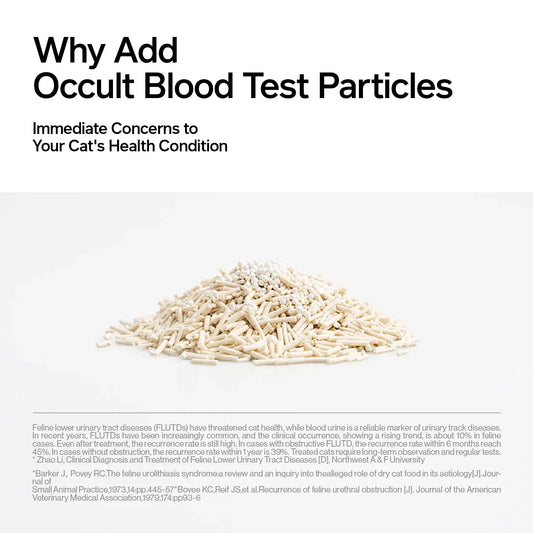
Some specialist litter can provide an additional visual cue during normal tray cleaning. pidan Tofu Cat Litter with Occult Blood Test Particles contains colour-changing particles that can turn blue when exposed to trace blood in urine. This may make a change easier to notice while you scoop the tray.
The colour change is observational only. It does not diagnose a urinary condition, identify the cause of blood or replace veterinary testing. A lack of blue colour also does not prove that no urinary problem is present. If you notice a colour change, visible blood, straining, frequent attempts to urinate, discomfort or other urinary symptoms, contact your vet.
Which Cat Litter Do Vets Recommend?
There is no single cat litter that every vet recommends for every cat. The most appropriate choice can depend on your cat’s preferences, age, health, mobility, sensitivity to dust and any medical issue your vet is assessing.
If your cat has urinary symptoms, has recently had surgery, has respiratory concerns or needs a litter for another health-related reason, ask your vet whether a particular material or texture would be more appropriate. Specialist monitoring litter can provide additional observational information, but it should never be treated as a substitute for veterinary advice.


 Sold out